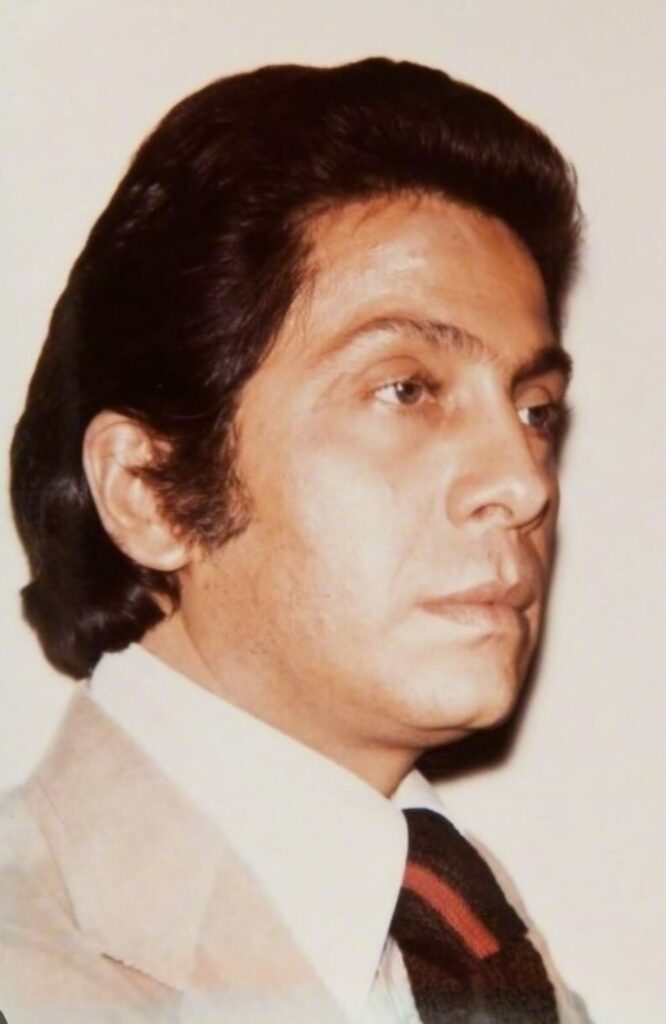
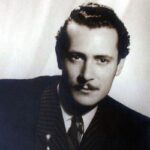
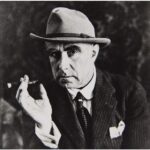
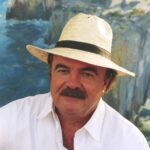
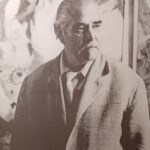
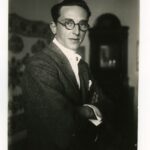
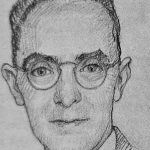
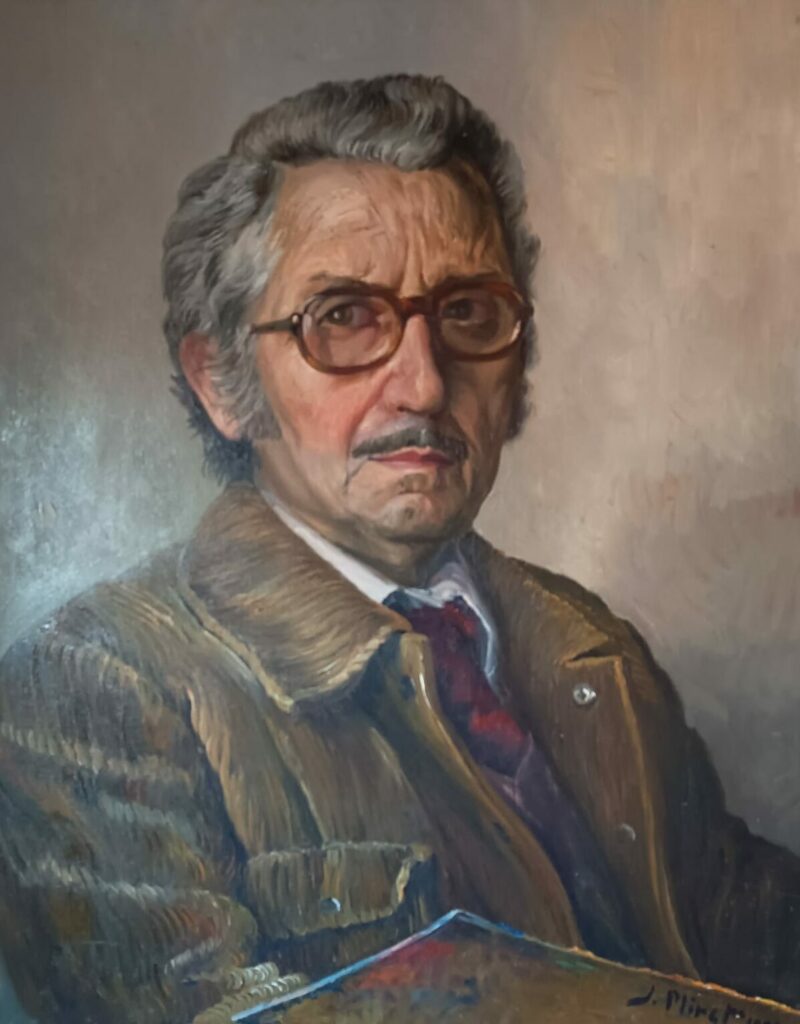
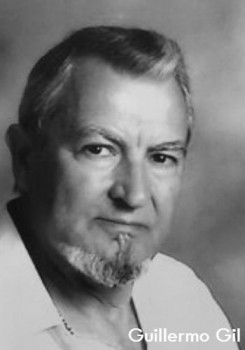
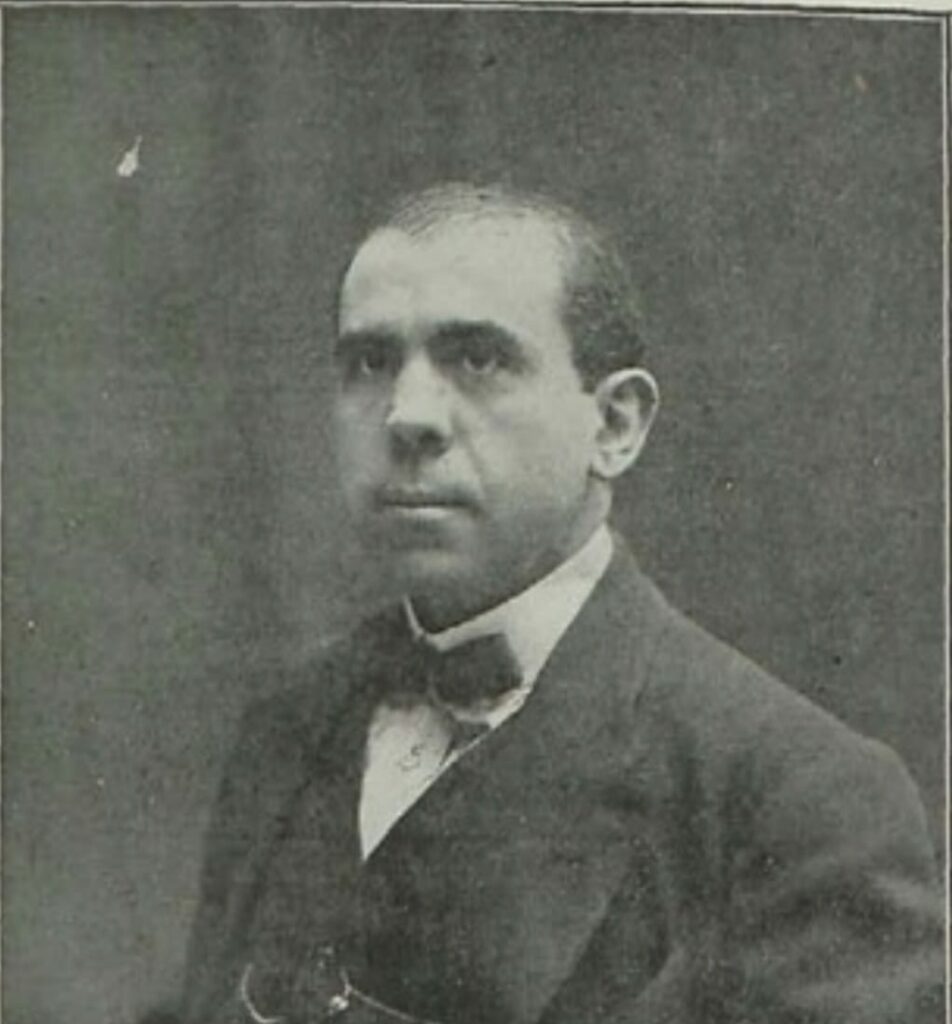
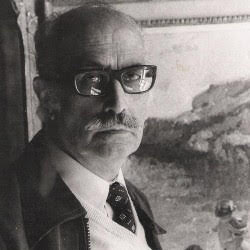
Federico Molina was a peculiar painter, gifted with a great capacity for drawing and full command of pictorial techniques. His specialty, or what attracted him most, was always the human figure, which he rendered with the grace and fluency that only a great master can achieve. His canvases, in which the beautiful figures and faces of gypsy women are captured, are destined to remain in the memory of time. His gypsy women are joyful, expressive, exuberant, proud and aware of their own gallantry; that is how Federico perceived them. Sometimes he painted them nude, other times clothed, but always sublime, with a forceful dose of sensuality and, at times, eroticism.
Besides the figure and portraiture, he also turned to the beings he considered his best friends: dogs and horses, to which the fluency of his brush lent movement and an almost spiritual sensitivity. He also cultivated the still life, whose flowers often seem to pass through the canvas to offer us their fragrance through their petals, and to a lesser extent he worked with landscape.
Although his works are perfect, he himself was not concerned with their perfection. His studies, technique and experience were tools he used to create a new reality that he perceived from within and imprinted onto his oils. Master Molina’s magical strokes are thick, agile, decisive and conclusive — the complete opposite of fine-brush hyperrealist technique.
The multifaceted nature of Federico Molina was built into his character, into the very idiosyncrasy of his way of being. His constant travels were not merely those of an observer; our artist always got involved in everything, and he poured passion and feeling into everything, which is what shows through in his canvases. He was passionate about life, passionate about art, and also about traditions. His devotion to bullfighting led him down the unusual path of becoming a novillero (apprentice bullfighter) himself, and not content with that, he took his enthusiasm even further: in 1960 he became owner and manager of the bullring of Felanitx (Mallorca), which he refounded under the name «La Macarena» and equipped with a bullfighting school.
Among the countless anecdotes of his life is one concerning a bullfighting event at «La Macarena,» in which a young novillero, upon seeing the colossal build of the bull that emerged from the pens, fled in terror to take refuge behind the barrier. Master Molina, by then advanced in years, put on the suit of lights once again and, taking God as his witness by his montera (bullfighter’s hat), went out into the ring to face fate and fight the fierce bull awaiting him in the middle of the arena.
Bullfighters and gypsy women dressed in bullfighting costume are also a recurring theme in his work. As a restless-spirited nomadic traveler, once settled in Mallorca, he first lived in Valldemossa, then in the center of Palma, El Terreno, Felanitx, and finally in «Son Molina,» in the municipality of Bunyola; his passion for horses led him to found the equestrian center that bears his name, which survives to this day.
Federico Molina was an honest artist, not only in his art but also recognized as a man of his word: he always kept his promises. Those who had the honor of knowing him described him as a gentleman and a man of honor. He was always surrounded by friends, both human and otherwise. «Son Molina,» the little paradise where he would live until his death, is one more example of his great generosity.
Just like his art, his generosity knew no bounds. It is well known that any artist newly arrived on the island with scarce means could always find a hot meal served at Master Molina’s table for the new guest, and a bed to rest in.
Federico Molina never stopped selflessly championing projects for the benefit of others, of his surroundings, of the community in which he lived. His bohemian spirit never sank into selfishness, but rather into the virtue of sharing, supporting and advising young, up-and-coming artists.
Federico, thankfully, and despite his tribulations, could take pride in his success during his lifetime. A prolific painter, his exhibitions were countless and spanned almost every continent. From 1955 onward, he exhibited every year at the Galerías Costa in Palma de Mallorca. He painted numerous commissioned portraits of well-known figures: the portraits of the Distinguished Sons of Sóller, the Distinguished Daughter of Pollensa, Rvda. Madre Alberta, the murals in the halls of the «Círculo Mallorquín,» and others. His last exhibition was held in 1980 at the «Galería Sa Volta» in Felanitx.
Mallorca and its citizens may perhaps never become fully aware of how much they owe to this great artist, who gave himself entirely to loving our island, with splendid outpourings of art and humanism and an innate constancy in his pictorial work.
As an epilogue, it only remains to affirm that Federico Molina was an unconditional benefactor of our land, an irreplaceable artist, an honest gypsy gentleman.
Damián Verger Garau Judicial Expert in Art and Antiques and Art Critic