Perhaps the definition of contemporary painting is one of the most confusing, largely due to its ambiguity. Contemporary art encompasses painters from the late 18th and early 19th centuries right up to the present day. The period following Impressionism and the avant-garde movements gave rise to an identity crisis that continues to this day.
But to generalise in this way would be entirely unfair. Otherwise, geniuses such as Murakami, Barceló, Klein, Antonio López, Warhol and Tàpies, amongst others, would not feature amongst the influential artists in the history of art.
And in every place there are people who, whilst not on that select list, devote their lives to that great passion which is painting, and within which they evolve through knowledge, study, experimentation, instinct, perseverance and flashes of genius.
People endowed with a superlative ability to face, day after day, the creation of a new dawn. Or, to put it another way, to capture on a blank canvas that seventh day of creation which God set aside for His rest.
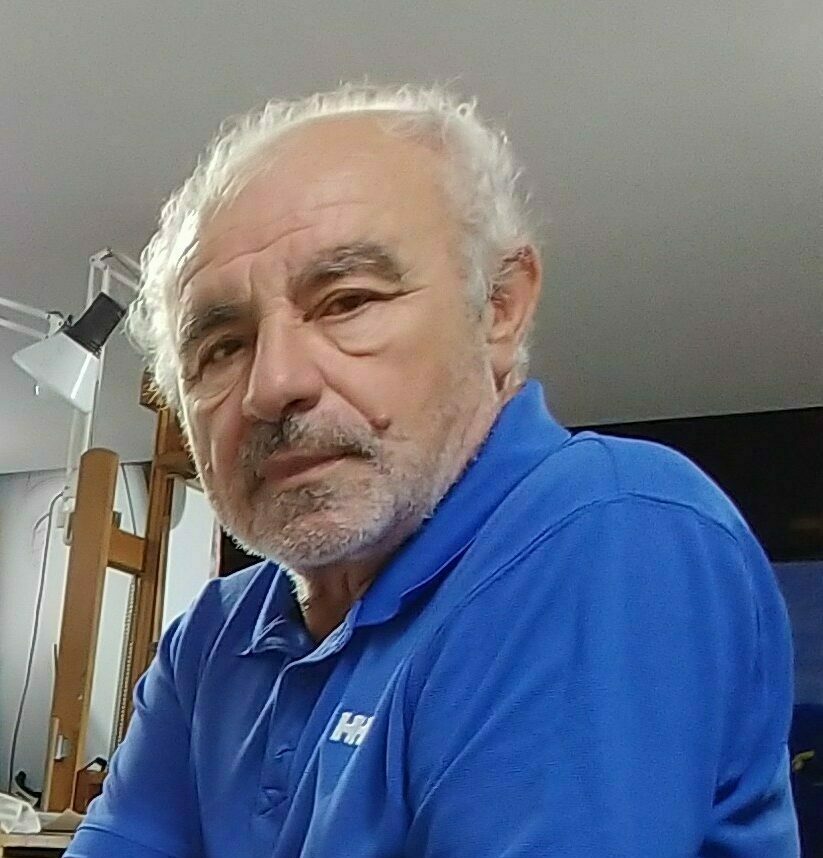
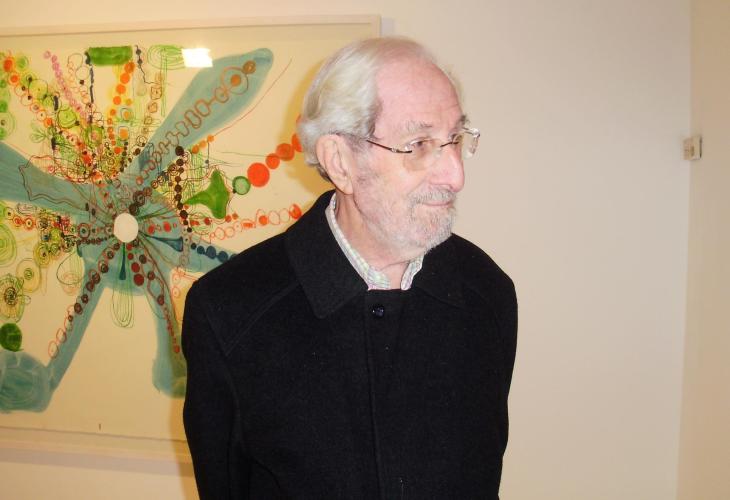
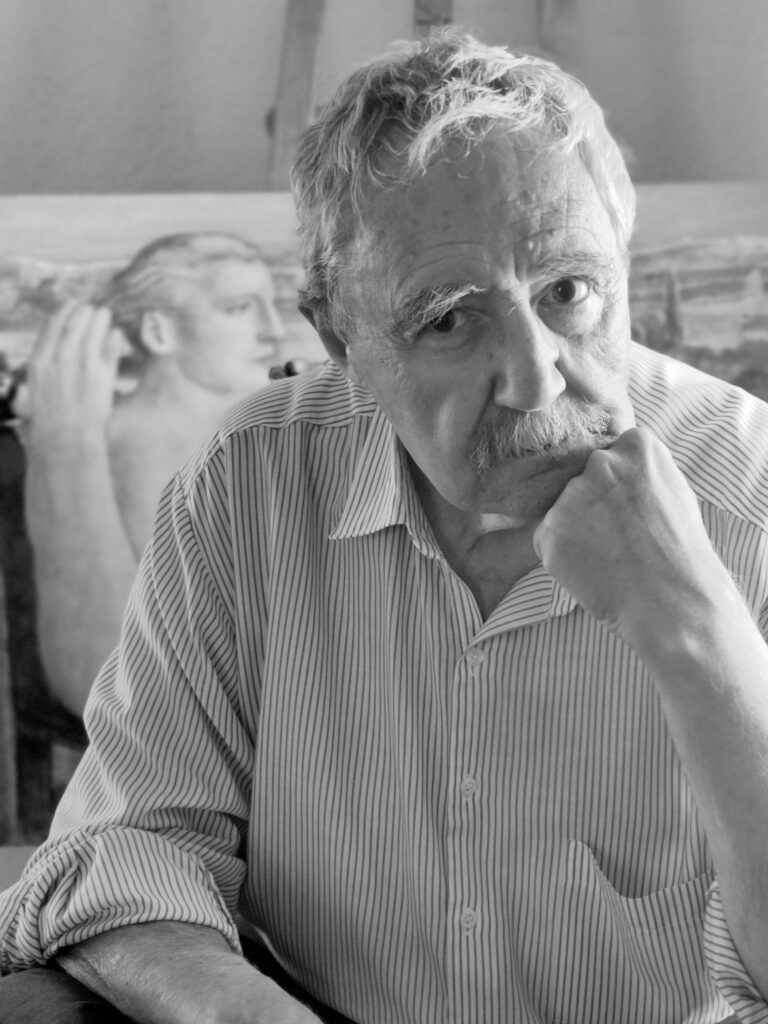
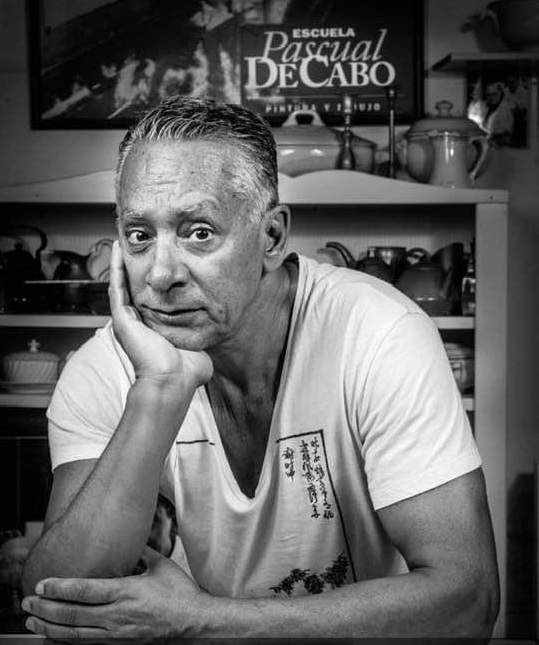
One such artist is Pascual de Cabo, a painter born in Alicante who lives and works between Seville, Tangier and Mallorca.
Durante seis décadas Pascual de Cabo ha practicado principalmente con las disciplinas del arte impresionista, figurativo y abstracto.
Pascual ama y admira la pintura de Antonio López o Andrés García Ibáñez y la de Joan Miró o Edward Hooper de la misma manera.
Tanto en una materia como en otra ha sido determinante. Su muestra de la mano del Círculo de bellas Artes de Palma, “Exposición antológica 1961/2026” es un ejemplo de maestría, Un recorrido por la perspectiva pictórica de sus obras impresionistas y figurativas y que Pascual ha conceptuado como simbólicas.
Al mismo tiempo y en su inquebrantable defensa del artista versátil, Pascual se adentra en la pintura abstracta, sin hacer un esfuerzo sobrenatural, como si tal cosa, como pasar la página de un capitulo a otro.
Prescindiendo de la realidad, de la imitación de formas, traza líneas emocionales para describir otro tipo de lenguaje, el arte abstracto desde su visión heterogénea. Líneas, formas, colores, estética pura. Pascual se adentra en el universo de Klimt, Pollock, Rothko, De Kooning, Franz Kline, Arthur Dove, Julie Mehretu, y se revuelve cual experto marino en mitad de la tormenta.
At the age of seven, he showed his first artwork to his mother and told her he wanted to be an artist. He has travelled the length and breadth of South America; he has lived in New York, on Broadway, in Munich, in El Salvador, in Mallorca and in Seville; he has travelled halfway around the world and has painted in each of these places.
The Kairoi Art Digital Museum recognises the work of this talented contemporary painter by exhibiting an extensive selection of his pieces on its digital platform.
I have always remembered something Pascual de Cabo said to me at the end of an interview: ‘I just want to paint, and when this is over, I’ll carry on painting; and in other lives, I’ll carry on painting.’
Text: Xisco Barceló